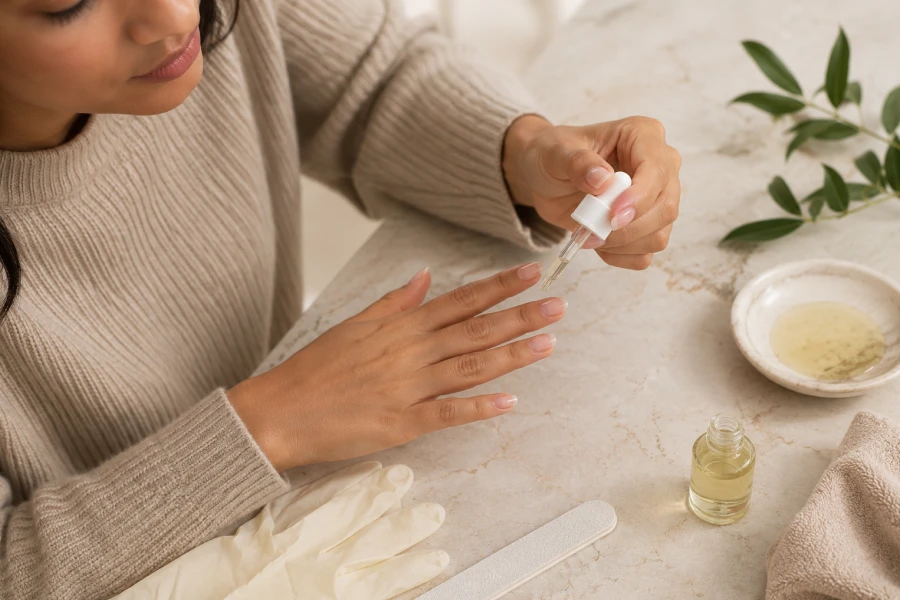
Nail breakage can make even simple tasks feel unexpectedly frustrating. Learning how to prevent nail breakage begins with noticing the small pressures your hands face every day. Frequent washing, cleaning, typing, and opening packages all add up. Your nails do not need perfection to look healthy. They need consistent, practical care. The strongest habits are usually the least dramatic ones. Small changes can reduce the stress that leads to chips and splits. A more thoughtful routine also makes manicures feel easier to maintain. The goal is flexible, comfortable nails that fit your daily life. That approach is far more useful than chasing a quick fix.
Your nails interact with more surfaces than you realize. They tap keyboards, open containers, and meet hot water throughout the day. Each action seems small on its own. Together, they can create repeated strain. Start by using the pads of your fingers for tasks when possible. Wear gloves for washing dishes or handling cleaning products. Keep tools nearby so nails do not become improvised scrapers. These tiny shifts can reduce unnecessary pressure. A practical routine begins with protection. It grows stronger when your habits match your actual schedule.
Long exposure to water can leave nails feeling softer and less stable. This matters when hands move repeatedly between wet and dry conditions. Use gloves for longer cleaning sessions. Dry your hands carefully afterward. Apply hand cream while your skin is still slightly damp. Pay attention to how your nails feel after showers or housework. They may need a little extra care on those days. Try nail care habits with nail strength support when you want a simple routine that feels more protective. The best habits often begin with ordinary moments.
Length should support your lifestyle, not fight it. Very long nails can look beautiful but may catch more easily. Shorter shapes can be a practical reset when breakage becomes frequent. There is no universal ideal length. Consider how often you type, cook, work out, or care for children. Your nails should feel manageable during those tasks. Filing them consistently can also reduce snags. Aim for a shape that follows your natural nail line. A comfortable length is easier to maintain over time. That makes it a smart part of a prevention-focused routine.
Rough filing can create small weak points along the edge. Use a fine file and move in one direction. Avoid aggressive back-and-forth sawing. Keep the corners smooth so they do not catch on fabric. File after nails are fully dry. Wet nails can feel more flexible and vulnerable. Take your time around existing splits. You may need to shorten a damaged edge before it worsens. Try nail protection tips for protective nail care when you want your maintenance routine to feel easier. Gentle upkeep usually prevents more work later.
Changing products every week can make it hard to understand what helps. Give a simple routine enough time to become familiar. Use one hand cream you enjoy. Add cuticle oil when it fits your schedule. Keep your filing method consistent. Then notice what changes over a few weeks. Your nails may respond better to regular care than expensive experimentation. Avoid adding multiple new treatments at once. A smaller routine is easier to follow. It also makes your results easier to interpret. Reliability matters more than novelty.
Cuticles protect the base of the nail. Cutting or pushing them too hard can leave the area uncomfortable. Instead, soften them after a shower or hand soak. Apply oil or cream with gentle pressure. Use a soft towel to remove only loose skin. Keep the rest intact. This approach can make nails look neater without causing unnecessary irritation. A comfortable cuticle area also makes regular maintenance less intimidating. Focus on hydration rather than removal. Your hands will usually look better when they feel better.
Prevention becomes easier when you plan for predictable stress. Keep gloves under the sink or near cleaning supplies. Use a key, opener, or proper tool instead of your nails. Take a small hand cream with you during dry weather. These choices are easy to overlook in the moment. Still, they protect the progress you are building. Try breakage prevention steps when you want to turn small routines into visible support. Your nails do not need to be treated delicately all day. They simply need fewer unnecessary challenges.
One broken nail does not mean your whole routine failed. It simply gives you information about where more support may be needed. Trim or file the edge gently. Avoid peeling at the break. Keep the area protected from further catching. Then return to your regular habits. A setback can be a useful reminder to simplify. Focus on comfort, smooth edges, and steady hydration. Avoid punishing your nails with too many corrective products. They respond best to patient care. Progress often looks like fewer interruptions over time.
Strong-looking nails usually come from repeatable choices, not dramatic treatments. Your routine can be simple and still feel effective. Protect your hands during rougher tasks. File carefully when edges begin to catch. Add moisture when nails feel dry. Keep the length practical for your life. These habits build on one another. Over time, you may notice fewer frustrating splits. That makes daily maintenance feel easier. The most useful routine is the one that still works during your busiest weeks. Consistency is what turns care into confidence.



Leave a comment