Healthy nails should support your life without demanding constant attention. A nail strengthening routine can make that feel more achievable. It focuses on regular protection, hydration, and gentle maintenance. The purpose is not to create rigid nails that never bend. Nails need some flexibility to handle everyday movement comfortably. A practical routine works alongside work, chores, and personal style. It should feel simple enough to repeat. It should also make your hands feel more polished. With the right habits, nail care becomes less reactive. You can spend more time enjoying your hands and less time managing unexpected breaks.
Strength does not always mean hardness. Nails that feel too stiff may still crack under pressure. A more helpful goal is resilience. That means supporting moisture while reducing repeated stress. Start by watching how your nails behave. Do they peel after water exposure? Do they catch along the edges? Do they feel dry after removing polish? Your answers can shape a more useful routine. Focus on small adjustments rather than dramatic changes. The most effective approach usually feels steady and comfortable. Flexibility can be just as valuable as firmness.
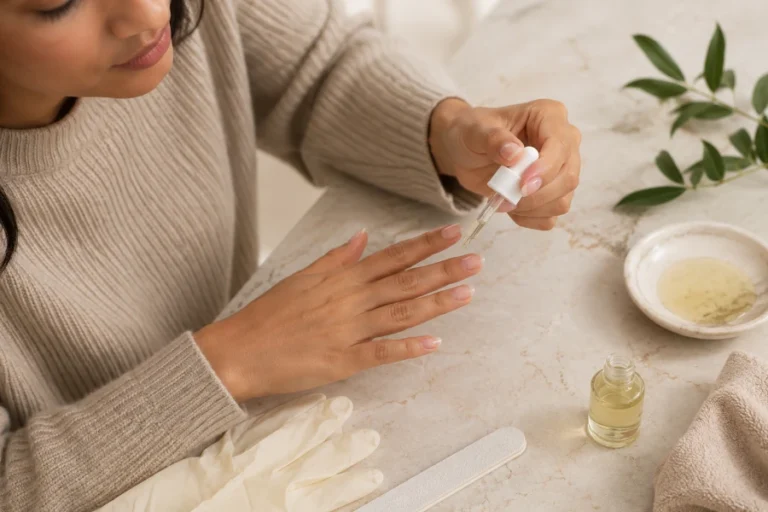
Dry nails often feel rougher and more likely to snag. Keep a hand cream near places you use often. Your desk, bedside table, and kitchen can all work well. Apply it after washing your hands. Add cuticle oil when you have an extra minute. This does not need to become complicated. Try nail hydration habits with a cuticle care routine when you want your hands to feel consistently cared for. Regular moisture can make your whole manicure look fresher. It also encourages you to check your nails before small problems grow.
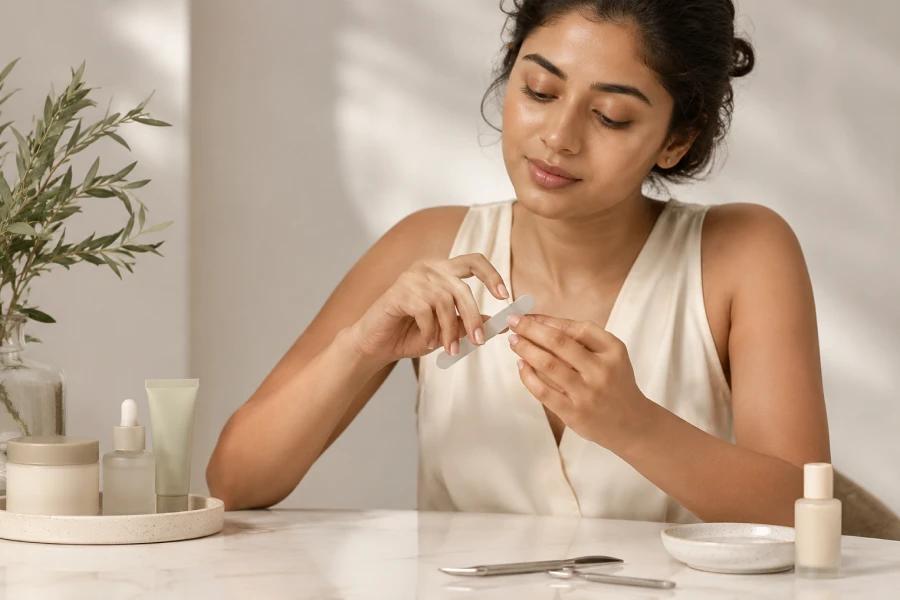
Your ideal length depends on how you use your hands. A shorter shape may work better during busy periods. Medium-length nails can be easier to maintain with regular filing. The key is choosing a length that does not constantly catch. Keep the shape balanced from side to side. File gently whenever rough edges appear. Do not wait until a snag becomes a split. This kind of maintenance is quick and easy to overlook. Still, it can make a meaningful difference. Practicality often creates the best long-term results.
Using nails as tools creates unnecessary stress. Reach for an opener, key, or utensil instead. This habit may feel small, but it changes how often your nails bend awkwardly. Keep a few helpful tools where you need them. A bottle opener near the kitchen can prevent common accidents. Scissors in a drawer can stop you from using an edge to tear packaging. These swaps take almost no extra time. They simply remove avoidable strain. Your hands already do enough work. Let actual tools handle the rougher tasks.
Polish can make nails look polished, but it should not become the only layer of care. Give your nails occasional breaks when they feel dry or stressed. Use those periods to focus on hydration and smooth filing. Keep removal gentle. Avoid peeling product away from the surface. That can leave nails feeling uneven. Try a healthy nail routine with a flexible nails routine when you want your maintenance habits to support a more natural finish. Your nails can look tidy without always being fully polished. Comfort should lead the decision.
A neat cuticle area makes a difference even without color. You do not need aggressive tools to achieve it. Soften the skin with oil or cream. Use a gentle motion after a shower. Remove only what is clearly loose. Avoid cutting deeply around the base of the nail. This can create discomfort and make your routine harder to maintain. Hydrated cuticles also make fresh polish look cleaner. The goal is not perfection. It is a comfortable, maintained appearance that fits your everyday life.
A weekly check-in can prevent small problems from becoming more annoying. Look for rough edges, peeling layers, or dry cuticles. File any snag before it catches on clothing. Reapply moisture after removing polish. Consider whether your current length still feels practical. Try manicure maintenance when you want a repeatable way to keep your hands looking neat. This check-in does not need a full salon setup. Ten quiet minutes can be enough. Small maintenance often saves time later.
Weather, travel, and workload can all change what your nails need. Cold air may call for more frequent hand cream. Summer activities may make shorter nails more convenient. Travel can make a small oil pen especially useful. The best routine leaves room for those changes. Keep your essentials easy to reach. Do not force yourself to follow the same schedule all year. Adaptation is part of consistency. Your care can stay steady even when the details change. That flexibility makes the routine more realistic. Realistic routines are the ones people keep.
Confidence often comes from knowing your hands are ready for the day. You do not need flawless nails for that feeling. You need fewer moments when a rough edge catches or a split interrupts you. Hydration, careful filing, and practical length all contribute. None of those habits is dramatic. Together, they become meaningful. Make your routine easy enough to repeat on tired days. Keep it flexible enough to fit travel and work. Over time, your hands can feel less like a source of maintenance. They can simply feel like part of your polished everyday style.

Leave a comment